Buyers comparing Naperville subdivisions almost always open with the same question: what does the median sale price look like here? In Century Hill, that question misses the mechanism. The number that actually shapes what you pay each year, and what you get for it, is whether your parcel sits inside or outside Naperville's municipal boundary.
Century Hill is one of the few pockets in northeastern Naperville that keeps the address, the schools, and the city water and sewer while sitting in unincorporated DuPage County. That structural quirk, more than any listing comp, is why the neighborhood behaves the way it does.
The parcel line does more work than the price tag
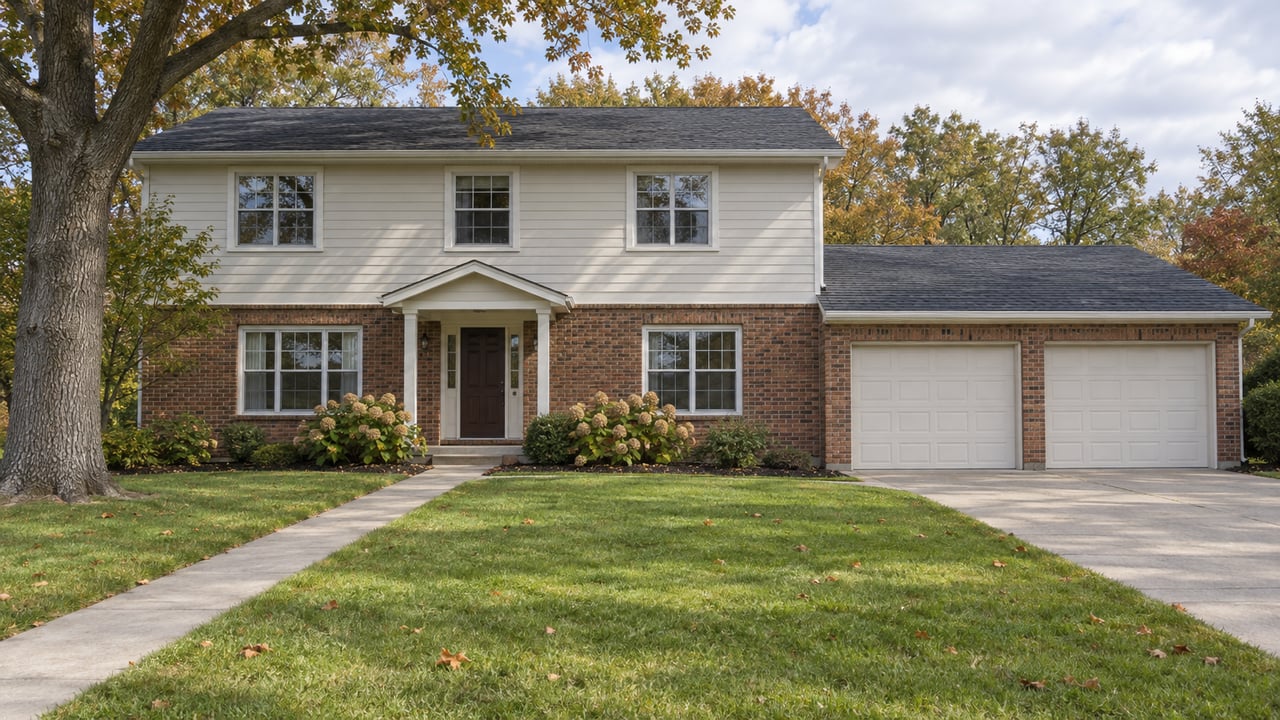
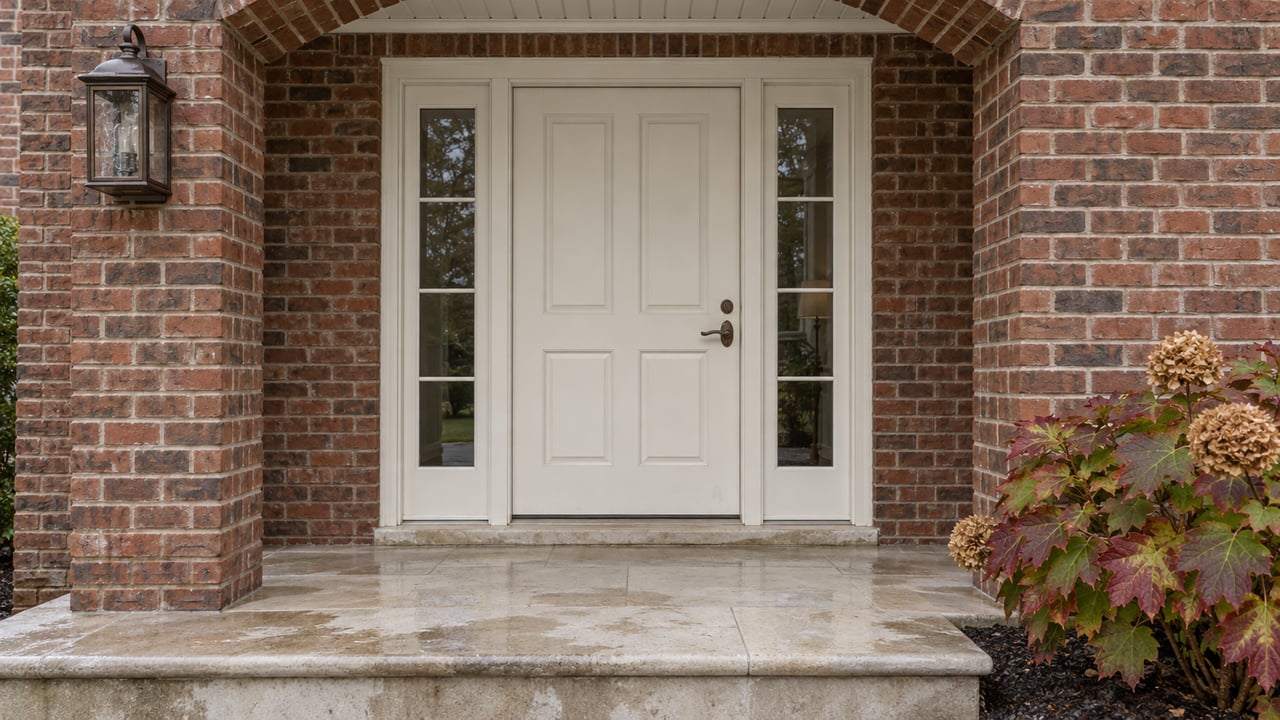
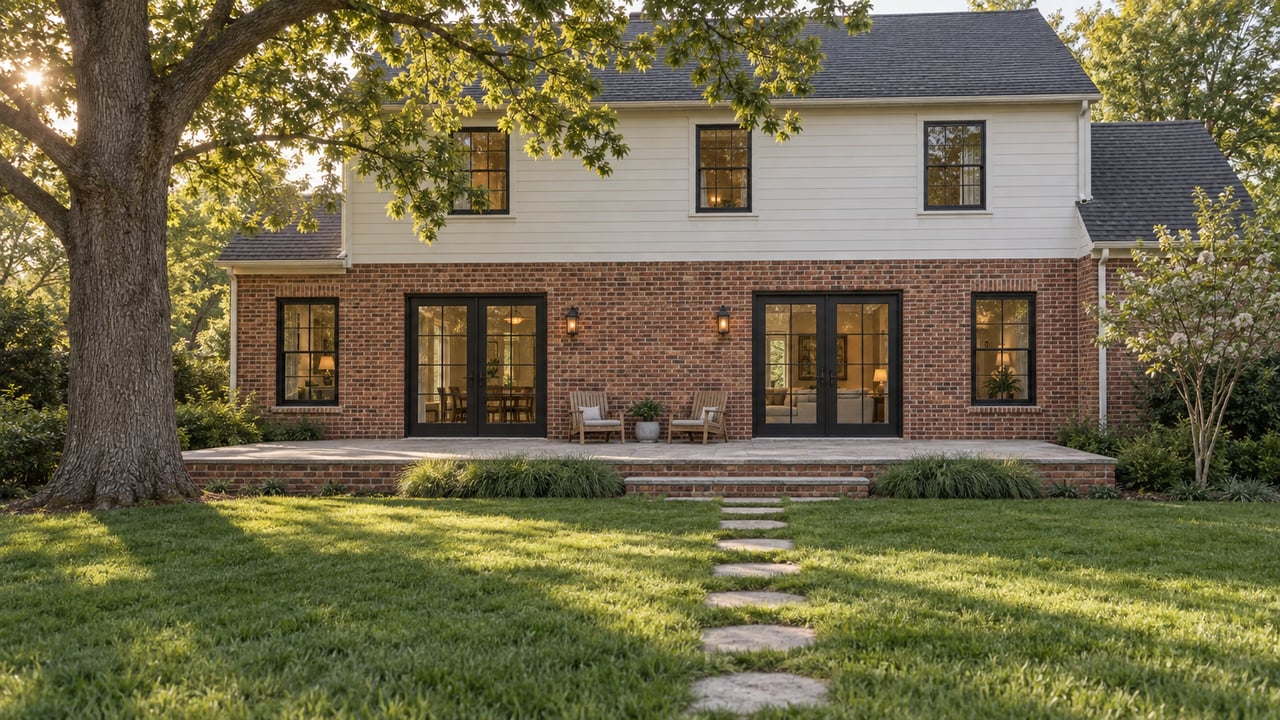
Century Hill sits north of Maple Avenue and west of Naper Boulevard, with only two entrances off Chicago Avenue. Homes were built between 1966 and 1992 and range from about 1,736 to 3,703 square feet, an eclectic mix of midcentury split-levels, brick colonials, and modern traditionals on generous lots with mature canopy. Reported average annual property tax across the subdivision runs about $9,066, with HOA fees between $3 and $50 per month.
That tax figure is the tell. DuPage County's effective property tax rate averages roughly 1.95% to 2.20% of market value depending on the exact combination of taxing districts covering a parcel, while the city of Naperville's median effective rate lands near 2.05% overall. Century Hill's average bill sits below what you'd expect on comparable in-city Naperville homes because the parcel is not paying the Naperville municipal levy layer. The county, township, school, park, and fire district levies still apply. The city levy does not.
What "unincorporated" actually changes on the tax bill
Illinois assesses residential property at one-third of fair market value, then applies a state equalization factor, then subtracts homestead exemptions, then applies the sum of every taxing body that covers the parcel. Two homes with identical market value can end up with materially different bills because they overlap different taxing bodies. Century Hill is the textbook case.
A rough side-by-side on a $700,000 Naperville home:
| Scenario | Applicable levies | Approximate effective rate | Approximate annual tax |
|---|---|---|---|
| Incorporated Naperville, District 203 | County, township, school, park, fire, library, city of Naperville | ~2.05% | ~$14,350 |
| Unincorporated Century Hill pocket, District 203 (busing) | County, township, school, park, fire, library (no city of Naperville) | Lower by the city levy portion | Meaningfully less |
The exact spread depends on the parcel and the tax year. The point isn't the precise dollar figure. It's that two homes with the same list price, the same District 203 assignment, and the same downtown Naperville proximity are not carrying the same recurring cost. If you're weighing Century Hill against a subdivision a mile south, pull both tax bills from the DuPage County Clerk's property tax records before you compare list prices. That is the comparison the portals do not do for you.
One caveat worth stating plainly. Being unincorporated means municipal services like street maintenance, code enforcement, and permitting run through DuPage County and Naperville Township rather than the city. For most buyers, that is a wash. For anyone planning a significant addition or teardown-rebuild, it changes who you file with and how long the process takes. Ask that question during due diligence, not after closing.
Why the median sale price misreads the block
Century Hill trades thinly. At times only one or two homes are actively listed. That means any single sale can swing the reported median hard in either direction, and a three-month median can double or halve on a handful of transactions.
The 12-month median sale price in Century Hill has been reported around $561,000, down roughly 11% year over year on that measure. Current active listings, however, have been sitting in the $849,000 to $900,000 band, with a reimagined home recently offered at $669,000. Naperville citywide sat at a $595,000 three-month median sale price through May 2026 per Redfin, with Movoto reporting a July 2026 median list price of $662,000 at about $275 per square foot and 21 median days on market. Homes by Marco's July 16, 2026 absorption report put Naperville at 1.4 months of inventory, still a seller's market by conventional definition.
Read those numbers together and the story is not "prices are falling in Century Hill." The story is that Century Hill contains two markets:
- Original 1960s to 1980s stock, largely unrenovated, trading at or below the citywide median.
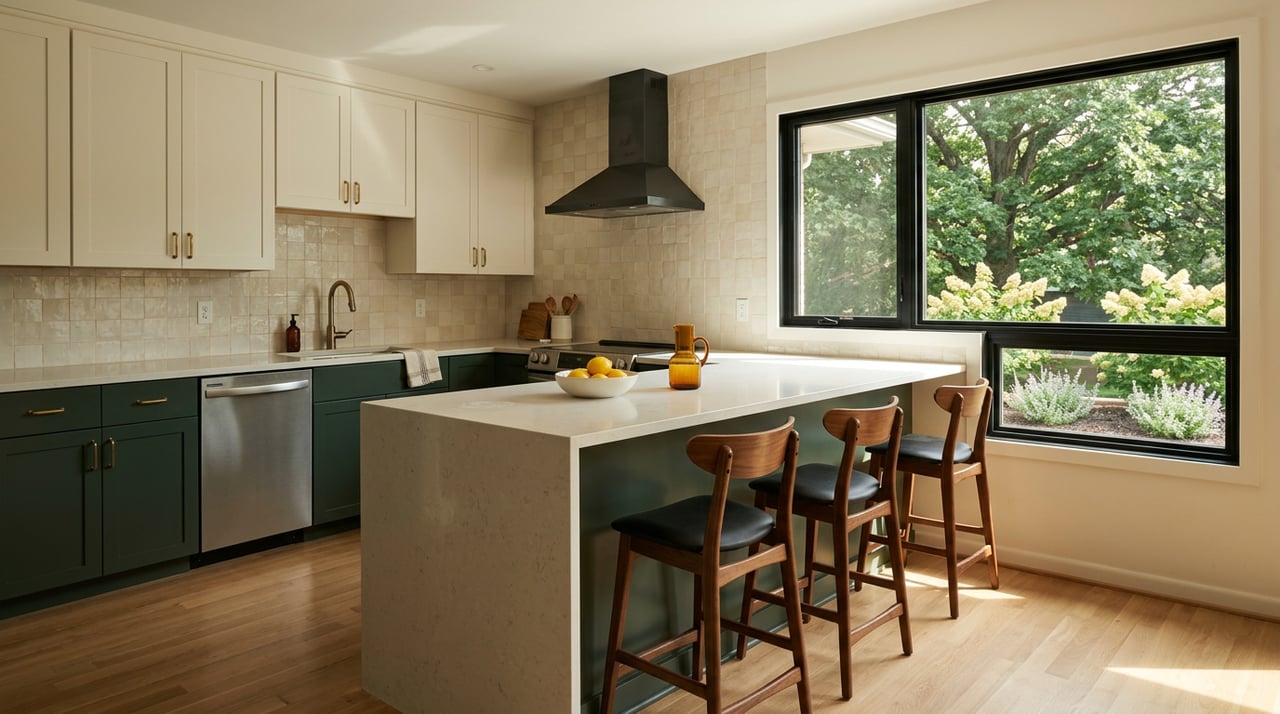
- Reimagined homes, with updated systems, kitchens, and baths, clearing well into the high $800s and into seven figures depending on lot and finish.
The spread between the two is wider than in a subdivision with a more uniform build year. A buyer scanning the median gets the first market and misses the second. A buyer touring only the top of the market misses the renovation arbitrage sitting underneath it.
The housing stock caps the top of the market, on purpose
Because the subdivision built out between 1966 and 1992, the largest homes top out near 3,700 square feet. There is no new construction inventory inside the two Chicago Avenue entrances. That ceiling is a feature for a specific buyer, and a friction for another.
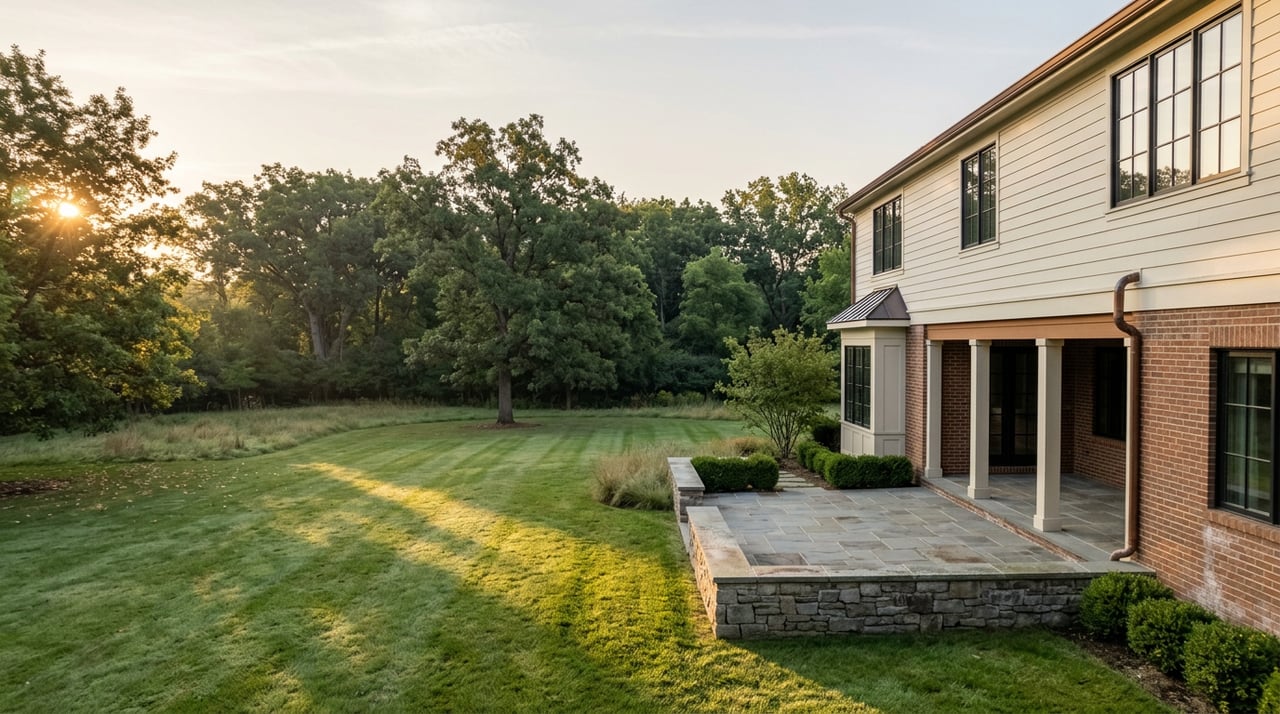
The feature: mature streetscape, established landscaping, gently curving streets with names like Mayflower Avenue, and the kind of setback and canopy that a new subdivision cannot replicate for thirty years. The friction: if your program requires 4,500 square feet with a main-floor primary suite and a three-car side-load garage, Century Hill's existing footprints will not deliver it without a substantial addition, and additions on unincorporated parcels route through the county rather than the city.
Buyers who understand this walk in with a renovation budget and a contractor in mind. Buyers who don't tend to keep touring for six months before circling back.
What you're actually buying around the edges
Location is where Century Hill's premium comes from. Naperville Country Club, open since 1921 and an Audubon International Cooperative Sanctuary with an 18-hole championship course, sits directly west, and some Century Hill homes overlook the fairways. Seager Park lies just north with trails, picnic tables, and a playground. Huntington Swim and Tennis Club, Naperville's oldest such club, serves as the summer anchor for member families.
Commuter access is unusually clean for a pocket this quiet. The BNSF Metra line into downtown Chicago is a short drive, I-88 and I-355 are both minutes away, and Route 34 handles daily errands without threading downtown traffic. Downtown Naperville is under two miles, close enough to walk on a good evening and short enough to bike year-round. District 203 assignment covers Prairie Elementary, Washington Junior High, and Naperville North High School, with students bused in from the unincorporated pocket.
The unincorporated status does not cost you the address, the schools, or the walk to the Riverwalk. It changes the tax bill and it changes who issues your building permit. Everything else that draws buyers to Naperville, Century Hill still delivers.
FAQ
Do Century Hill homes qualify for District 203 schools if the parcel is unincorporated? Yes. Students in the Century Hill pocket are assigned to District 203 schools and are bused to Prairie Elementary, Washington Junior High, and Naperville North High School. School district boundaries in Illinois are set independently of municipal boundaries, which is why an unincorporated parcel can still feed the in-city schools.
Do unincorporated parcels get Naperville city water and sewer? In Century Hill, yes. The subdivision has full city sewer and water service. What it does not carry is the city of Naperville's municipal property tax levy.
Why does the median sale price look like it dropped when active listings are higher? Sample size and mix. Century Hill sees a small number of transactions in any given month, and the ratio of unrenovated to renovated sales moves the median more than any underlying value shift. Look at recent solds by condition tier, not a blended median.
What should I check before writing an offer here? Pull the tax history on the specific parcel, confirm the school assignment with District 203, ask the seller for any prior addition or permit documentation filed with DuPage County, and price the renovation gap between the home's current condition and comparable reimagined sales on the same streets.
If Century Hill is on your short list, or you're weighing it against a comparable in-city subdivision and want the tax math and renovation comps run side by side before you tour, Bill White Homes can put the numbers in front of you. Get in touch when you're ready to compare the parcel line, not just the price line.