Thinking about a Chicago commute without giving up a walkable, downtown lifestyle? Declara Heights in Naperville offers a rare setup: a historic central-Naperville pocket near the Metra station, downtown streets, and the Riverwalk. If you want a rail-first routine with everyday convenience built in, this guide will help you understand how the area fits your life and what to expect day to day. Let’s dive in.
Where Declara Heights Sits in Naperville
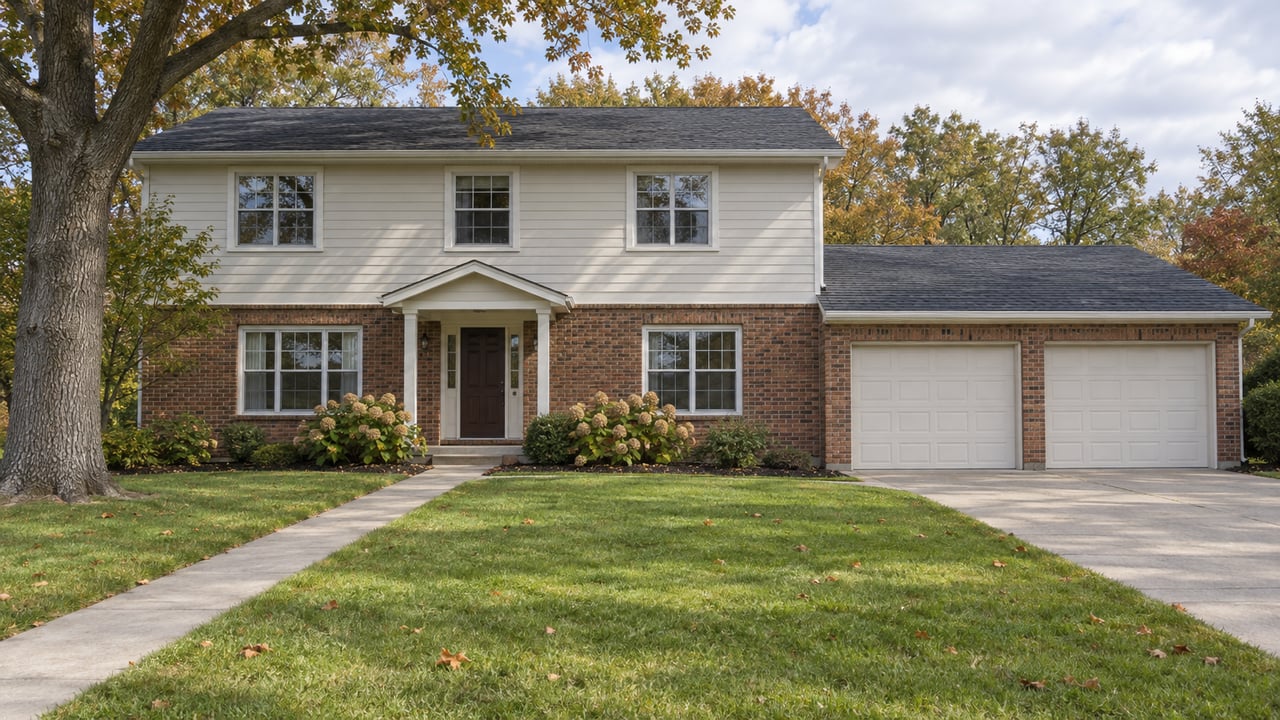
Declara Heights is best understood as a historic, downtown-adjacent pocket in Naperville’s 60540 area. City records tie it to a 1922 subdivision associated with lots on E. Franklin Avenue and N. Huffman Street. That means you should think of it less as a large modern subdivision and more as part of the established fabric near central Naperville.
That location shapes the appeal for Chicago commuters. Instead of depending on a long drive, you are close to the parts of Naperville that support a more connected routine. Downtown, the Metra station, and the Riverwalk all play a role in how this area lives.
Why Commuters Notice Declara Heights
For many buyers, the biggest draw is simple: access. Naperville’s downtown Metra station is the city’s main commuter rail option for Chicago-bound riders on the BNSF line. The station is at 105 E. 4th Ave., and the city notes that Naperville has two commuter rail stations, with the downtown station being the one most closely tied to central Naperville living.
If your goal is to make the train part of your normal routine, this location stands out. Metra and the city describe BNSF service as regular throughout the day, with express service during morning and evening commute windows. Naperville is in fare zone 4, while Chicago Union Station is in zone 1.
In practical terms, that makes Declara Heights feel like a rail-first neighborhood choice. You are not choosing a far-flung suburban setup and then trying to force a city commute to work. You are choosing a central Naperville location that naturally connects to downtown Chicago by train.
Metra Access and Daily Options
The downtown Naperville station is set up to handle commuter demand. According to the station information, it includes 1,652 parking spaces, 39 ADA spaces, ticket vending machines, and Pace connections on routes 530 and 714. The waiting room hours are 5 a.m. to 7:30 p.m.
That matters even if you expect to walk most days. Large station infrastructure gives you flexibility when your schedule changes, weather shifts, or your routine is not perfectly consistent from week to week. For many professionals, that kind of backup matters almost as much as the main plan.
Naperville also has a second commuter rail option at Route 59. The city says Pace buses run between the two commuter stations along major roadways, which adds another layer of flexibility for hybrid workers or residents who want options on different days.
What your commute setup may look like
- Walk or head into downtown for the Naperville Metra station
- Use BNSF service to reach Chicago Union Station
- Lean on express trains during common commute windows
- Use Route 59 as a secondary option when needed
- Factor in Pace connections for added flexibility
Walkability Is Part of the Value
The commuter story here is not just about trains. It is also about what happens before and after the train ride. Downtown Naperville is described by the city as pedestrian friendly, with a small-town pedestrian scale that supports walking as part of daily life.
The city’s downtown planning documents highlight wider sidewalks, crosswalks, mid-block walkways, pedestrian routes, public art, and wayfinding signage. Those details matter because they make central Naperville easier to navigate on foot. If you want a location where walking to coffee, dinner, errands, or the station feels natural, that is a meaningful advantage.
For Chicago-to-suburb movers, this can make the transition easier. You may be trading the city for more space and a different pace, but you are not giving up the ability to move through your surroundings without relying on the car for every small task.
What Mornings Feel Like
Mornings near Declara Heights are shaped by commuter energy. The station opens early, and BNSF service is oriented around regular all-day use with express service during commuting hours. In a downtown-adjacent setting, that usually translates into steady movement, quick routines, and an active start to the day.
You can expect the surrounding core to feel more alive than a quieter interior subdivision. The city describes downtown as a place with stores, dining, and parking options for residents, visitors, and employees, which supports a busy morning pattern. If you like a neighborhood with visible momentum, that can be a plus.
If you prefer a highly secluded feel, this is an important tradeoff to understand. Declara Heights is part of a central, active area, and that activity is connected to its convenience.
What Evenings Feel Like
By evening, the rhythm shifts. Downtown activity becomes less about departures and arrivals and more about spending time in the area. One of the biggest reasons is the Naperville Riverwalk, which the city describes as its “Crown Jewel.”
The Riverwalk includes 1.75 miles of brick paths, fountains, bridges, artwork, meeting and event spaces, and recreational amenities. The city also identifies it as Naperville’s most frequently visited location. That helps explain why the area around downtown can feel social, active, and experience-driven after work hours.
For buyers, this creates a different kind of value than commute time alone. You are not just living near a train. You are living near one of the city’s central gathering places, along with dining, shopping, and public spaces that support an easy evening routine.
Is Declara Heights Good for Car-Light Living?
In Naperville terms, this area is one of the stronger options for a car-light lifestyle. The reason is straightforward: the downtown station sits in the pedestrian core, and the city continues to invest in walkability and bikeability. That does not mean every errand becomes car-free, but it does mean more of your routine can happen close to home.
This can be especially appealing if you are moving from Chicago and want to keep some of the convenience you are used to. A central location near transit and downtown amenities often softens the adjustment to suburban life. You may still drive more than you did in the city, but you are not starting from a fully car-dependent setup.
Long-Term Appeal for Buyers
Declara Heights also benefits from the city’s long-term investment in downtown Naperville. Current streetscape work is focused on pedestrian mobility, accessibility, roadway conditions, trees and plantings, and outdoor space for businesses. The city is also refreshing its downtown wayfinding master plan to create a more coordinated experience for pedestrians and motorists.
That matters because it supports the long game. When you buy in a downtown-adjacent location, you are not only buying a home. You are also buying into the quality, function, and identity of the surrounding public environment.
The Riverwalk has its own 2031 master plan, and the city’s broader bicycle and pedestrian planning efforts show a continued focus on walkability and bikeability. For buyers who care about both commute convenience and lifestyle value, those public investments strengthen the case for this part of Naperville.
Who This Area Fits Best
Declara Heights makes the most sense for buyers who want three things working together: a central Naperville setting, direct access to Chicago by rail, and a lifestyle tied to walkable downtown amenities. If that combination is high on your list, this pocket deserves a close look.
It can be especially attractive if you are making a Chicago-to-suburb move and want the transition to feel more natural. A downtown-adjacent location can give you a softer landing by keeping daily convenience, public spaces, and transit access closer at hand.
The key is to be honest about the tradeoff. This is not a quiet, isolated corner of suburbia. It is an active, lived-in part of Naperville where commuter traffic, downtown visitors, and Riverwalk activity are part of the experience.
Why Local Guidance Matters
In a pocket like Declara Heights, the headline is easy to understand, but the real value is in the nuance. One block can feel more connected to downtown movement, while another may feel more tucked in. The right fit depends on how you balance commute convenience, walkability, and your preferred day-to-day atmosphere.
That is where thoughtful local guidance helps. If you are weighing a move to central Naperville, you want a clear picture of how the location will live, not just how it looks on a map. A relationship-driven team can help you compare the lifestyle tradeoffs and find the right match for your routine.
If you are considering a move to Naperville and want practical guidance on downtown-adjacent living, the team at Bill White Homes can help you evaluate the right fit with the calm, detailed approach that makes a move feel smooth from search to closing.
FAQs
Is Declara Heights in Naperville close to the Metra station?
- Yes. Declara Heights is best framed as a historic downtown-adjacent pocket in central Naperville, which makes the downtown Naperville Metra station the most natural commuter rail option for many residents.
Does Naperville have a direct train to downtown Chicago?
- Yes. Naperville is on Metra’s BNSF line, which provides service to Chicago Union Station.
What commuter rail station serves central Naperville best?
- For central Naperville and Declara Heights, the downtown Naperville station is typically the most relevant option. The city also notes a second station at Route 59.
Is downtown Naperville walkable for daily errands and commuting?
- Downtown Naperville is described by the city as pedestrian friendly and built around a small-town pedestrian scale, with sidewalks, crosswalks, walkways, and wayfinding features that support walking.
What is the Riverwalk like near Declara Heights in Naperville?
- The Naperville Riverwalk is a 1.75-mile public space with brick paths, fountains, bridges, artwork, and gathering areas, and the city describes it as Naperville’s most frequently visited location.
Is Declara Heights a quiet suburban neighborhood or a more active area?
- It is better understood as an active downtown-adjacent area. Its appeal is tied to central Naperville access, commuter convenience, and nearby public spaces rather than a secluded setting.