If you are trying to choose between Century Hill and other central Naperville neighborhoods, the answer is rarely just about price or square footage. In this part of Naperville, buyers often weigh lot size, walkability, commute patterns, and housing character just as much as the house itself. The good news is that each area offers a distinct feel, and once you understand the tradeoffs, your shortlist gets much clearer. Let’s dive in.
Why central Naperville draws attention
Central Naperville neighborhoods tend to appeal to buyers who want established streets, mature trees, and close-in convenience. Compared with newer subdivisions, these areas often offer more architectural variety and a stronger sense of place.
They also sit near major daily destinations, including downtown Naperville and the BNSF commuter rail system. According to the City of Naperville’s public transportation overview, the city’s transit network is anchored by Metra stations near downtown and Route 59, with Pace bus connections across key corridors.
Century Hill at a glance
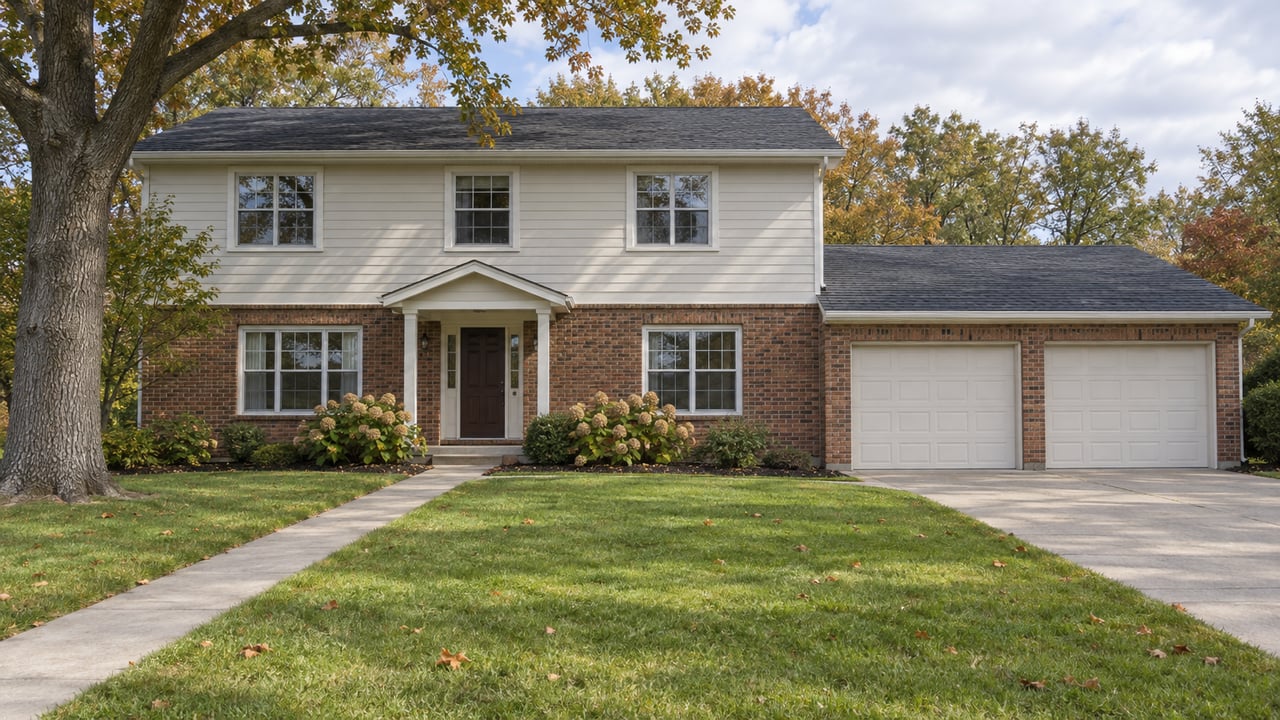
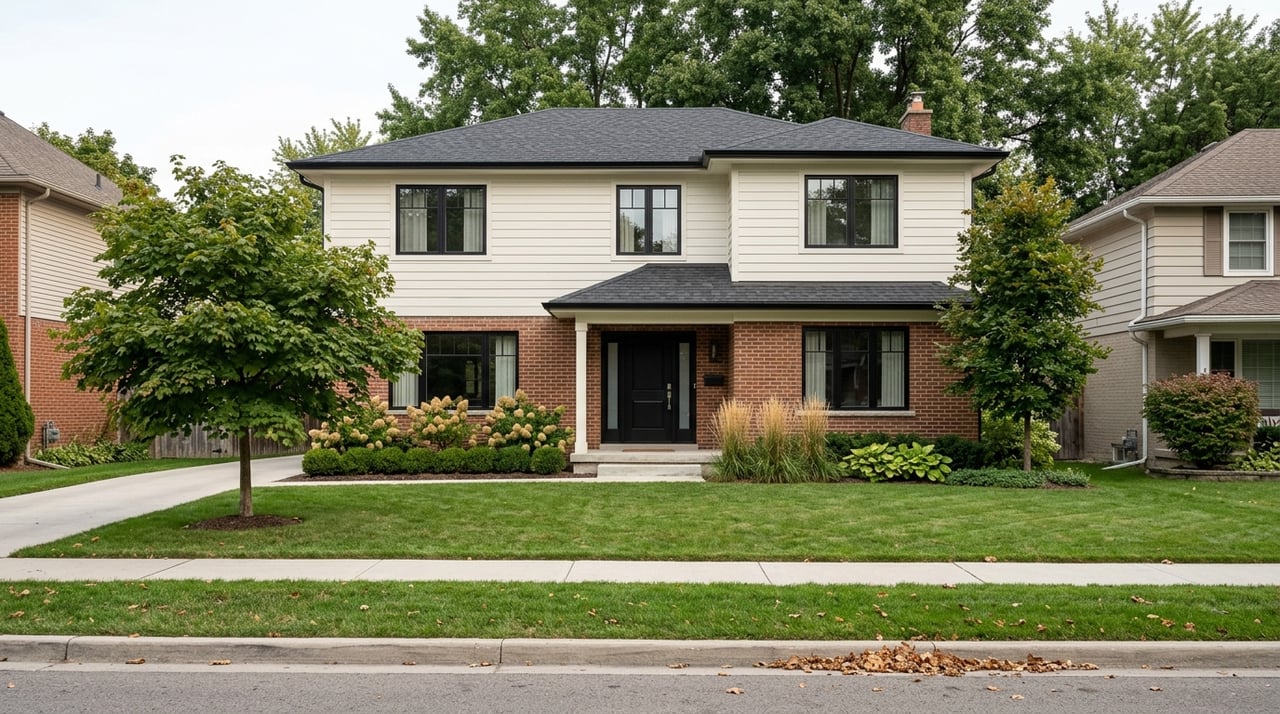
Century Hill is a north and northeastern Naperville subdivision that the neighborhood HOA says was built in unincorporated Naperville in 1966. It is known for gently curving streets, mature shade trees, and a mix of split-levels, brick colonials, and modern traditional homes.
Based on Century Hill history and neighborhood guide data cited in the research, the area has a median year built of 1968 and a median lot size of 21,780 square feet. Recent sales have centered in the high-$600s, with many listings falling roughly in the $400,000 to $700,000 range.
What stands out most in Century Hill is the lot feel. If you want an older subdivision with a quieter internal street pattern and more breathing room than many close-in options, Century Hill deserves a serious look.
How Century Hill compares to East Highlands
East Highlands is often the closest match for buyers considering Century Hill. Both neighborhoods offer mature trees, older homes, and a less standardized feel than newer subdivisions.
That said, the experience can be different. The City of Naperville windshield survey describes East Highlands as an area split by the river, with curved streets and many homes built from the 1950s through the 1970s. Research also notes active redevelopment and custom-home construction, which creates a wider price range than Century Hill.
Century Hill vs. East Highlands
Century Hill tends to appeal if you want:
- Larger lots
- Mid-century split-levels and colonials
- A quieter, inward-facing neighborhood layout
- A price point that may feel more approachable than some close-in rebuilt areas
East Highlands tends to appeal if you want:
- Mature streets close to downtown
- A mix of original homes and newer custom rebuilds
- Strong walkability and close-in convenience
- More variety in price and home style
In short, Century Hill often feels more consistent in its original neighborhood pattern. East Highlands can offer a stronger blend of walkability and custom-home potential, but the pricing spread is broader.
How Century Hill compares to Cress Creek
Cress Creek is a different kind of choice. While Century Hill is often about larger lots and classic established-subdivision character, Cress Creek is more lifestyle-driven.
According to Cress Creek HOA history, the community began in 1962 as a golf-course neighborhood, with the broader commons area established in 1967 around lakes and trails near McDowell Forest Preserve. Research shows a wider housing mix here, including single-family homes, condos, and townhomes.
Century Hill vs. Cress Creek
Choose Century Hill if your priority is:
- A quieter internal street layout
- Larger residential lots
- A traditional mid-century neighborhood feel
- A more straightforward detached-home comparison set
Choose Cress Creek if your priority is:
- Golf-course or lake surroundings
- Access to a wider mix of housing types
- A broad range of price points in one area
- A neighborhood identity shaped by amenities and setting
Cress Creek can range from more modest attached homes to premium course-front properties, with non-course single-family homes often around $550,000 to $850,000 and course-front homes reaching as high as $2 million in the research data. That makes it one of the most varied options in this comparison.
How Century Hill compares to Downtown Naperville
Downtown Naperville’s Historic District is the most location-driven option in the group. If your top priority is walkability and quick access to the core of downtown, this area naturally moves to the top of the list.
The City of Naperville historic district page explains that the local historic district was designated in 1986 and includes about 320 properties. The city also notes that exterior changes within the local district are expected to remain consistent with the area’s historic character.
Century Hill vs. Downtown Naperville
Century Hill usually makes more sense if you want:
- More private yard space
- A neighborhood feel that is less centered on foot traffic and downtown activity
- Mid-century housing stock on larger lots
- A middle-to-upper-middle price position compared with downtown
Downtown Naperville usually makes more sense if you want:
- The strongest walkability in this group
- Quick access to the BNSF station and Riverwalk core
- Historic housing character
- A highly location-centric purchase decision
Research places downtown at the top of the group on price, with a median around $1.2 million. It can be an excellent fit if location outweighs lot size for you, but historic-preservation considerations are an important part of the decision.
How Century Hill compares to Hobson West
Hobson West offers more of a later-built suburban pattern than Century Hill. If Century Hill reflects an older, larger-lot neighborhood style, Hobson West leans more toward a late-20th-century detached-home setting.
According to the Naperville.com Hobson West guide, the neighborhood is made up primarily of large single-family homes built between 1977 and 2007. The same guide places downtown Naperville about 3 minutes away and the Naperville Metra Station about a 10-minute drive away.
Century Hill vs. Hobson West
Century Hill tends to fit buyers who want:
- Older subdivision character
- Larger lots and mature trees
- More mid-century architecture
- Strong access to Route 34 and I-88
Hobson West tends to fit buyers who want:
- Later-built homes
- A more standard suburban street fabric
- Mostly detached single-family housing
- A convenient, but more car-first, daily routine
If you want a neighborhood that feels established but less mid-century in style, Hobson West can be a strong middle-ground choice.
Commute and convenience differences
For many buyers, the deciding factor is not the home style. It is how the neighborhood fits your weekly routine. That is especially true if you commute by train, want easy downtown access, or need quick highway connections.
Based on the research, Downtown Naperville and East Highlands offer the shortest path to the station area and Riverwalk core. East Highlands also has quick access to I-88 and I-355, while Century Hill has solid convenience near Route 34 and I-88.
Cress Creek is also well-positioned, with research noting proximity to the Burlington train station, major roadways, and a downtown distance of about 2.2 miles. Hobson West remains convenient, but it tends to support a more car-dependent routine than the inner-core neighborhoods.
Price positioning across the group
While price is never the whole story, it does help frame expectations. Based on the research report, the broad positioning looks like this:
| Neighborhood | General Price Position |
|---|---|
| Downtown Naperville Historic District | Highest in this group |
| East Highlands | Upper-middle to high, with wide variation |
| Hobson West | Upper-middle to high |
| Century Hill | Middle to upper-middle |
| Cress Creek | Widest spread due to housing mix |
Century Hill sits in a useful middle ground. It can offer a close-in feel, established setting, and larger lots without pushing as consistently into the pricing seen in downtown or custom-heavy parts of East Highlands.
Which neighborhood fits your priorities?
If you are still narrowing the field, this quick framework can help.
Choose Century Hill if you want space and quiet
Century Hill stands out for larger lots, mature trees, and a quieter internal layout. It often makes sense for buyers who want established character and solid access without living right in the busiest central core.
Choose East Highlands if you want close-in variety
East Highlands offers a strong mix of mature streets, downtown access, and both original and rebuilt homes. It can be a smart fit if you want flexibility in housing style and are comfortable with a wider pricing range.
Choose Cress Creek if you want a lifestyle setting
Cress Creek is a natural choice if golf-course surroundings, lakes, trails, and varied housing types matter to you. It offers one of the broadest mixes of homes and price points in central Naperville.
Choose Downtown if location comes first
If you value walkability, train access, and historic character more than private yard size, downtown is hard to beat. It is the most location-centric option in the group.
Choose Hobson West if you want later-built homes
Hobson West can work well if you want a more standard suburban layout, mostly detached homes, and easy everyday access to downtown and commuter routes.
Final thoughts on Century Hill
Century Hill compares well because it fills a very specific niche in Naperville. It offers an established neighborhood feel, generous lots, mature landscaping, and practical access to major roads, all without trying to be downtown or a golf-course community.
For many buyers, that balance is exactly the point. If you want help comparing Century Hill with East Highlands, Cress Creek, downtown, or Hobson West based on your move timeline, budget, and day-to-day needs, the team at Bill White Homes is here to guide you with a calm, detailed, relationship-driven approach.
FAQs
How does Century Hill compare to East Highlands in Naperville?
- Century Hill generally offers larger lots and a quieter internal layout, while East Highlands offers a stronger mix of walkability, mature streets, and original or rebuilt custom homes.
Is Century Hill more affordable than Downtown Naperville?
- Based on the research report, Century Hill typically sits below Downtown Naperville Historic District in price positioning, while still offering a close-in Naperville location.
What makes Cress Creek different from Century Hill?
- Cress Creek is more lifestyle-oriented, with golf-course, lake, trail, and mixed-housing appeal, while Century Hill is better known for larger lots and classic established-subdivision character.
Is Hobson West similar to Century Hill for homebuyers?
- Hobson West and Century Hill both offer established Naperville settings, but Hobson West generally features later-built detached homes and a more standard suburban layout.
Which central Naperville neighborhood is best for walkability?
- Among the areas compared in this article, Downtown Naperville Historic District is the most walkable and the most location-centric choice according to the research provided.